The Cloth

Fabrics & Textures

Two shirts can share a colour and a cut and still feel entirely different. The difference is the cloth: its fibre, its yarn and, above all, its weave.

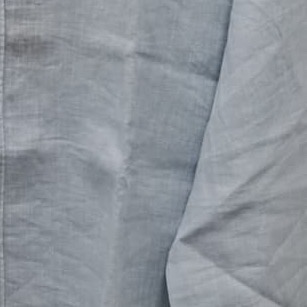
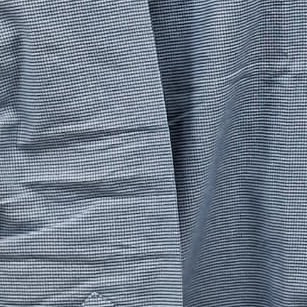
Macro view of a pale blue shirt fabric with a fine textured weave
Textured weave
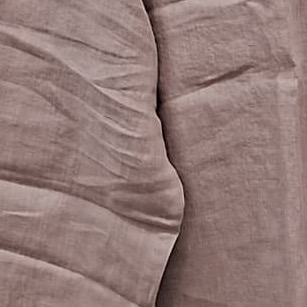
Macro view of rose-coloured linen showing natural slubs and soft creases
Linen
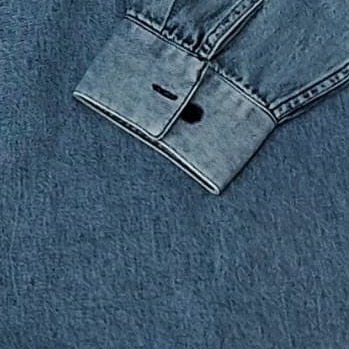
Close-up of an indigo twill shirt with a two-button cuff
Twill
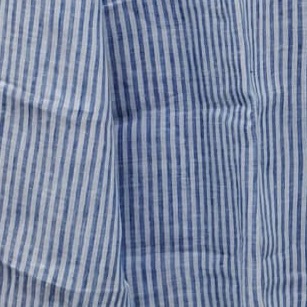
Close-up of a blue and white striped linen-look fabric
Striped
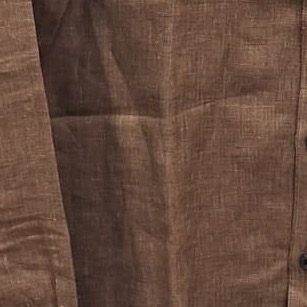
Close-up of tobacco brown linen texture
Slub
Close-up of a pale sky linen-blend fabric
Airy

First Principles

Fibre, yarn & weave

Every shirt fabric is the product of three decisions. The fibre — cotton, linen, or a blend with a synthetic or regenerated fibre — sets the basic character: how it breathes, absorbs moisture and creases. The yarn — how finely the fibre is spun, and whether two strands are twisted together (two-ply or “two-fold”) — affects smoothness, strength and sheen. The weave — the pattern in which lengthwise (warp) and crosswise (weft) yarns interlace — determines surface texture, drape and durability.

For formal shirting, cotton dominates. It is a natural, breathable plant fibre that absorbs moisture and feels comfortable against the skin, which is why it suits warm and humid cities. Longer-staple cottons can be spun into finer, smoother yarns, producing softer fabrics with a subtle lustre.

Marketing terms such as thread count or yarn numbers are sometimes quoted for shirting. They can be useful when comparing shirts from the same maker, but they are not standardised and say little on their own. The more reliable test is to look and touch: hold the cloth to the light to judge opacity, feel the surface, and crush a corner in your hand to see how quickly it recovers.

The photographs on this page show fabric close-ups and studio shots from Options Mall. They illustrate textures and weaves in general; they are not specifications of any particular product. For the composition of a specific shirt, always read its label.

The Weaves

Six fabrics every shirt wearer should know

Each entry pairs a weave diagram or close-up with what the fabric looks like, how it behaves and where it belongs.

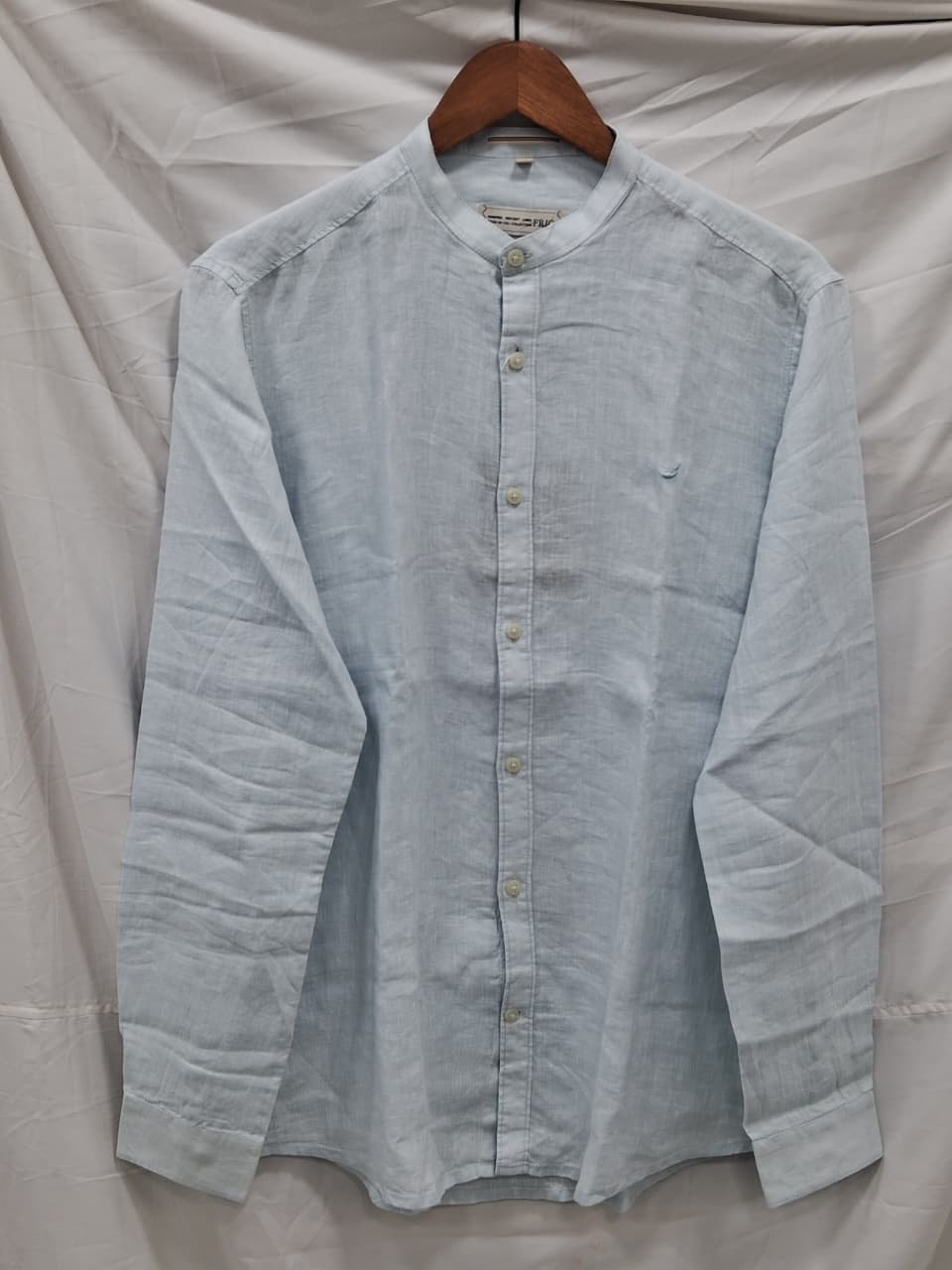
Pale sky blue shirt with a mandarin collar on a wooden hanger

Cotton

The natural standard

Cotton is soft, breathable and absorbent, and it takes dye beautifully, which is why the great majority of formal shirts are made from it. It wrinkles more than synthetics but feels cooler and more comfortable, particularly in heat. Quality varies widely with the length of the fibre and the fineness of the yarn.

Breathability
High
Crease resistance
Moderate
Formality
All levels

Poplin

Plain weave · also called broadcloth

Poplin uses the simplest structure — one over, one under — woven tightly with fine yarns. The result is smooth, flat and slightly crisp, with a clean, formal look that takes a sharp press. It is light and cool, though finer poplins can be a little translucent. The name is often traced to papeline, a fabric associated with the papal city of Avignon.

Surface
Smooth
Weight
Light
Formality
Highest

Twill

Diagonal weave

In a twill, each weft yarn passes over two or more warp yarns, offset by one at each row, creating the characteristic diagonal ribs. Twills are soft, drape well, have a gentle sheen and are generally more opaque and crease-resistant than poplin. Herringbone is a twill reversed at intervals to form a zig-zag; denim is a sturdy twill, too casual for most offices.

Surface
Diagonal sheen
Weight
Light–medium
Formality
High

Oxford

Basket weave

Oxford cloth weaves paired yarns in a basket pattern, often with a coloured warp and white weft, giving a textured, slightly mottled surface. It is sturdy, soft with washing and relaxed in character — traditionally paired with the button-down collar. Oxford cloth is commonly said to be the survivor of a set of 19th-century Scottish shirtings named after universities. Pinpoint oxford uses finer yarns for a smoother, dressier result; royal oxford is a lustrous, more formal variant.

Surface
Textured
Weight
Medium
Formality
Smart-casual
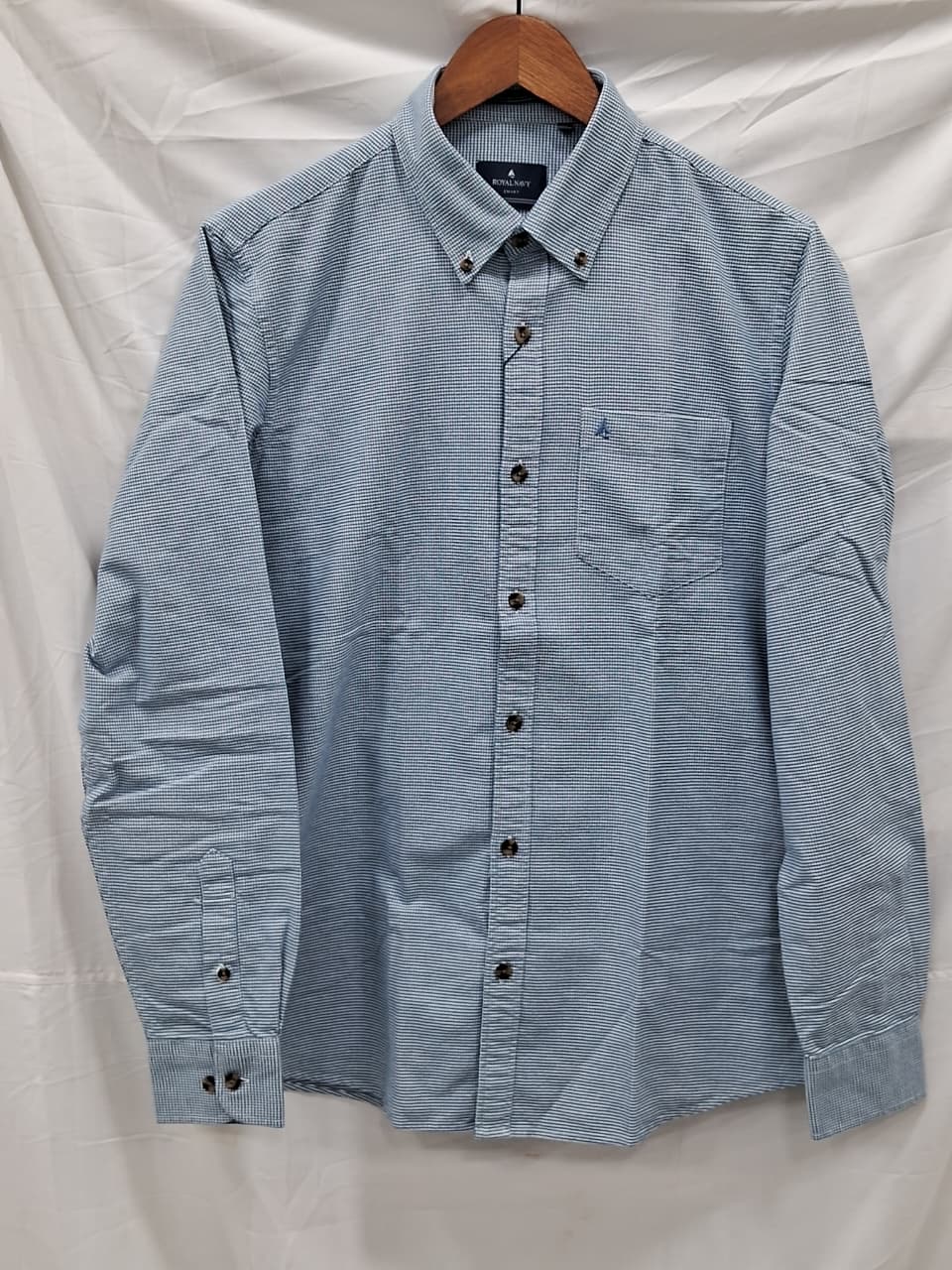
Light blue micro-textured shirt with a button-down collar on a hanger

Cotton Blends

Cotton with other fibres

Blending cotton with other fibres changes its behaviour. A small proportion of elastane adds stretch and comfort for slimmer cuts; polyester can reduce creasing and speed drying, at some cost to breathability; regenerated fibres such as viscose or lyocell add drape and softness; linen blends add texture and coolness. Because the effect depends on the exact composition, check the label rather than assuming.

Stretch
Possible
Care
Often easier
Formality
Varies
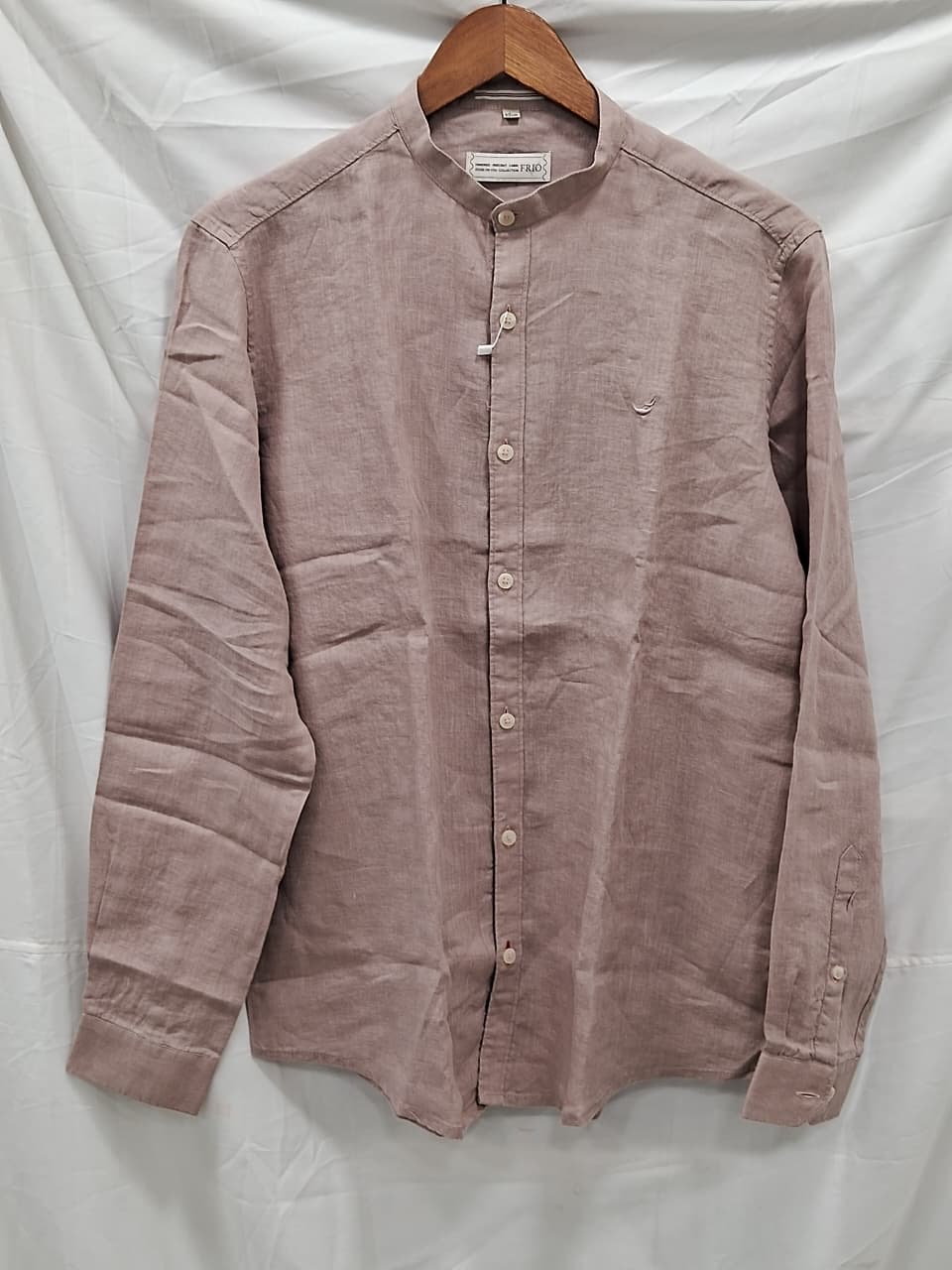
Dusty rose linen shirt on a wooden hanger

Linen

Flax fibre

Made from flax, linen is strong, highly breathable and cool to wear, with a characteristic irregular texture (slubs). It creases quickly, which gives it a relaxed, lived-in elegance better suited to summer, travel and smart-casual days than to formal meetings. Cotton–linen blends soften the creasing while keeping much of the coolness.

Breathability
Very high
Crease resistance
Low
Formality
Relaxed
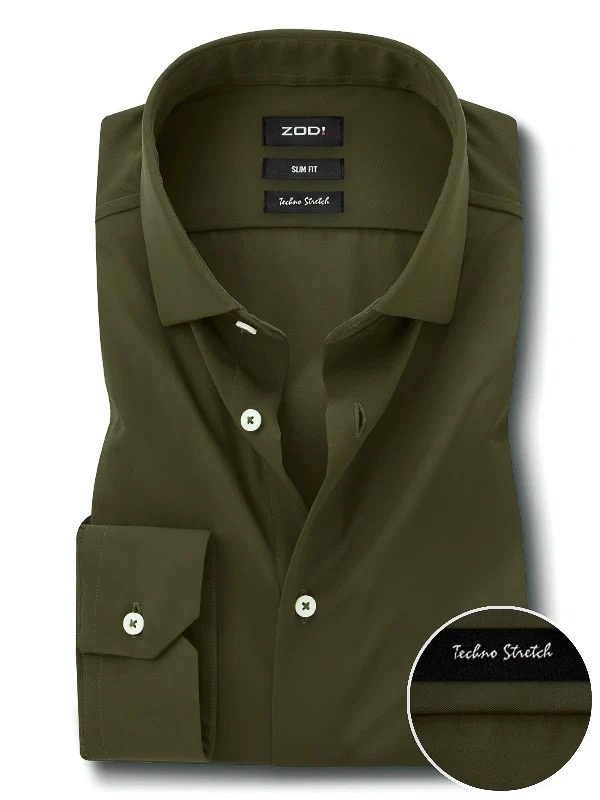
Olive green shirt photographed in studio with a fabric swatch inset
S1Olive, with fabric swatch inset
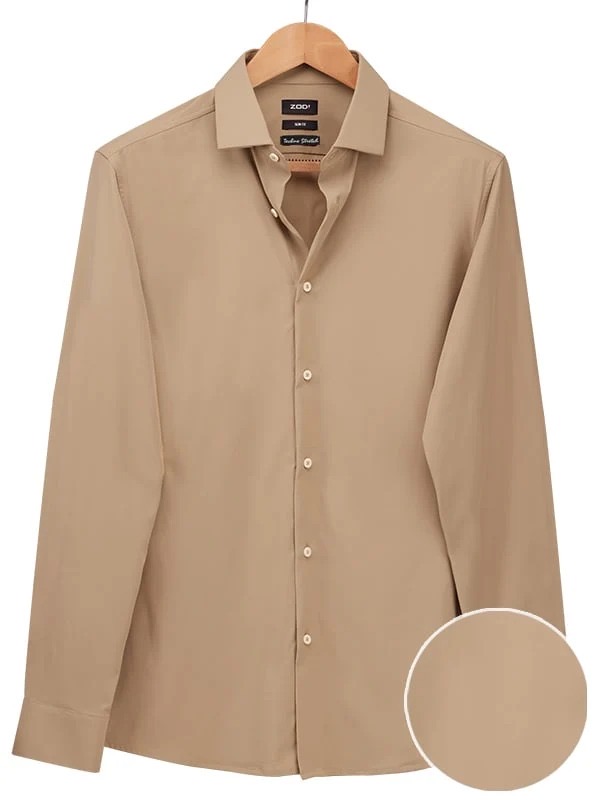
Sand-coloured shirt on a hanger with a fabric swatch inset
S2Sand, with fabric swatch inset

Weight & Structure

Weight, drape & opacity

Fabric weight is the hidden variable in shirt comfort. Lighter cloths are cooler and drape closely but can be slightly sheer, especially in white. Heavier cloths are more opaque, hold structure and resist wrinkles, but can feel warm.

Drape describes how the cloth falls. Twills and blends with regenerated fibres drape softly; poplin and oxford hold a crisper line. For a tucked formal shirt, a fabric with some drape avoids a stiff, boxy look; for an untucked shirt, a little body helps it hang cleanly.

Choosing

Which fabric for which day?

A practical summary for office wear in a warm climate.

FabricLookFeelBest for
PoplinSmooth, crispLight, coolSuits, presentations, formal events
TwillFine diagonal, soft sheenSoft, substantialDaily office, travel, all-day wear
OxfordTextured, matteSturdy, softens with wearBusiness casual, Fridays
End-on-endSubtle mottled colourLight, airyEveryday office, warm days
DobbySmall woven motifsVariesAdding texture without pattern
Linen / blendsSlubbed, relaxedVery coolSummer, travel, smart-casual
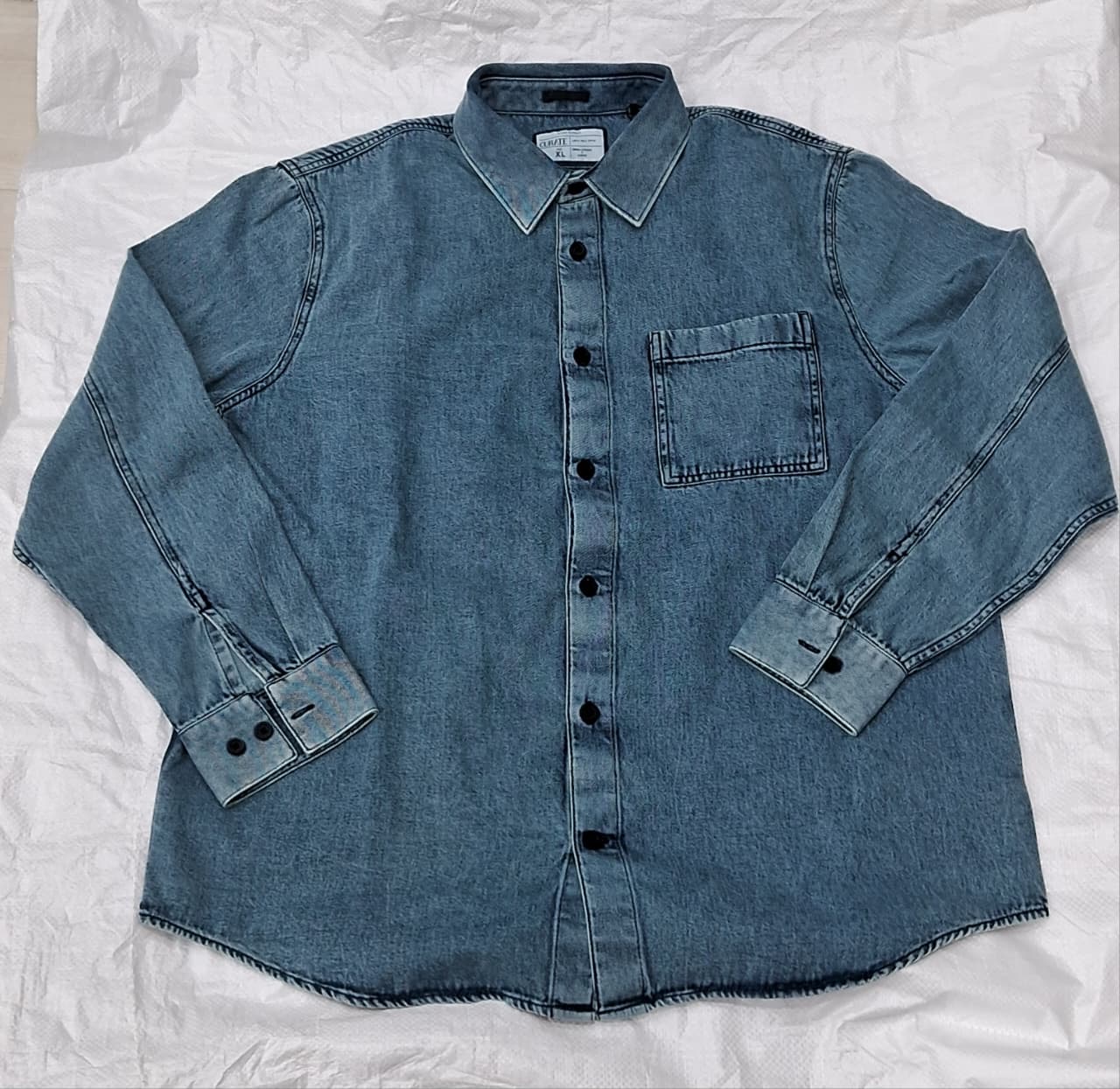
Washed indigo twill shirt with chest pocket laid flat
T1Indigo twill — casual
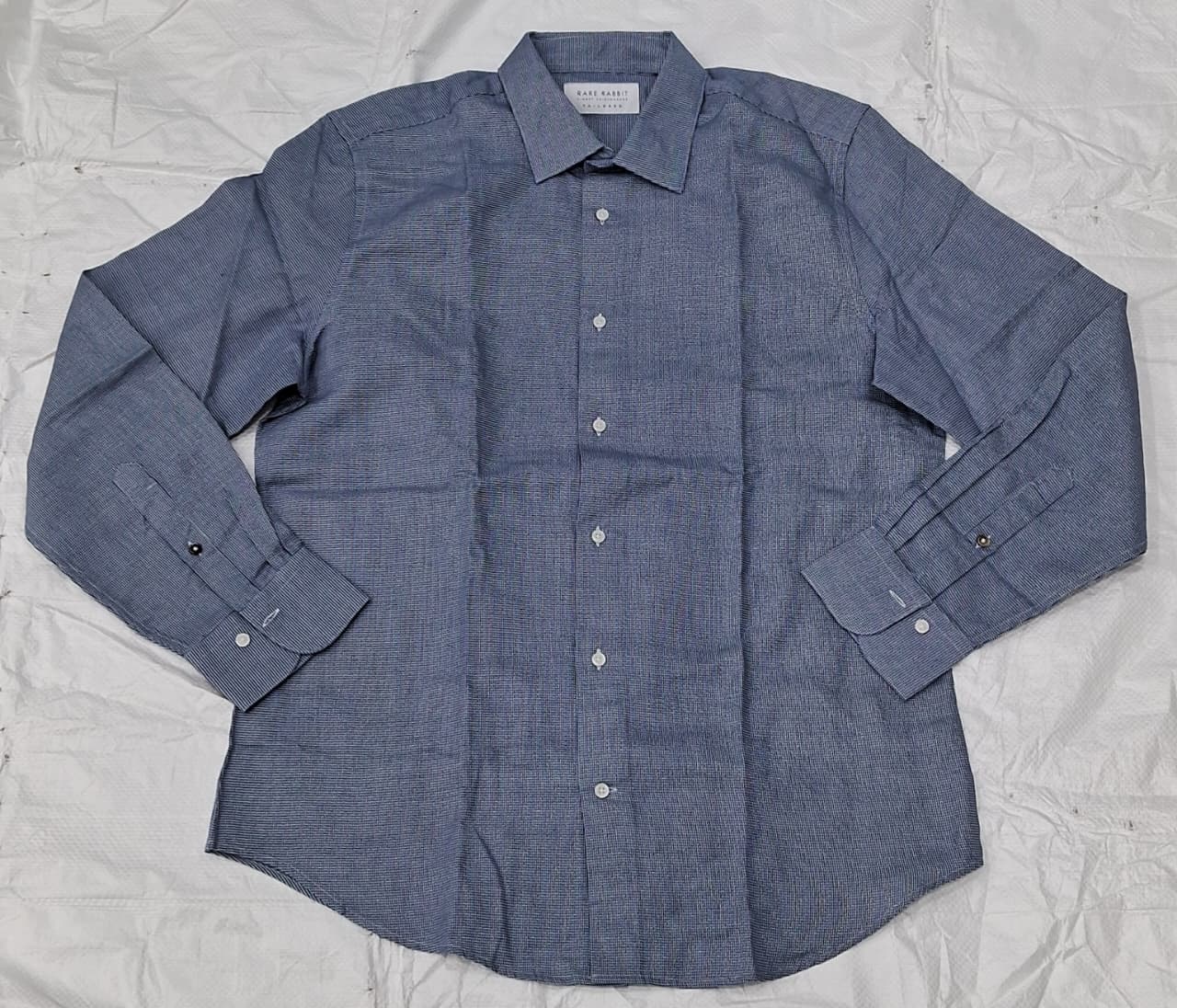
Chambray blue dobby shirt laid flat
T2Chambray dobby
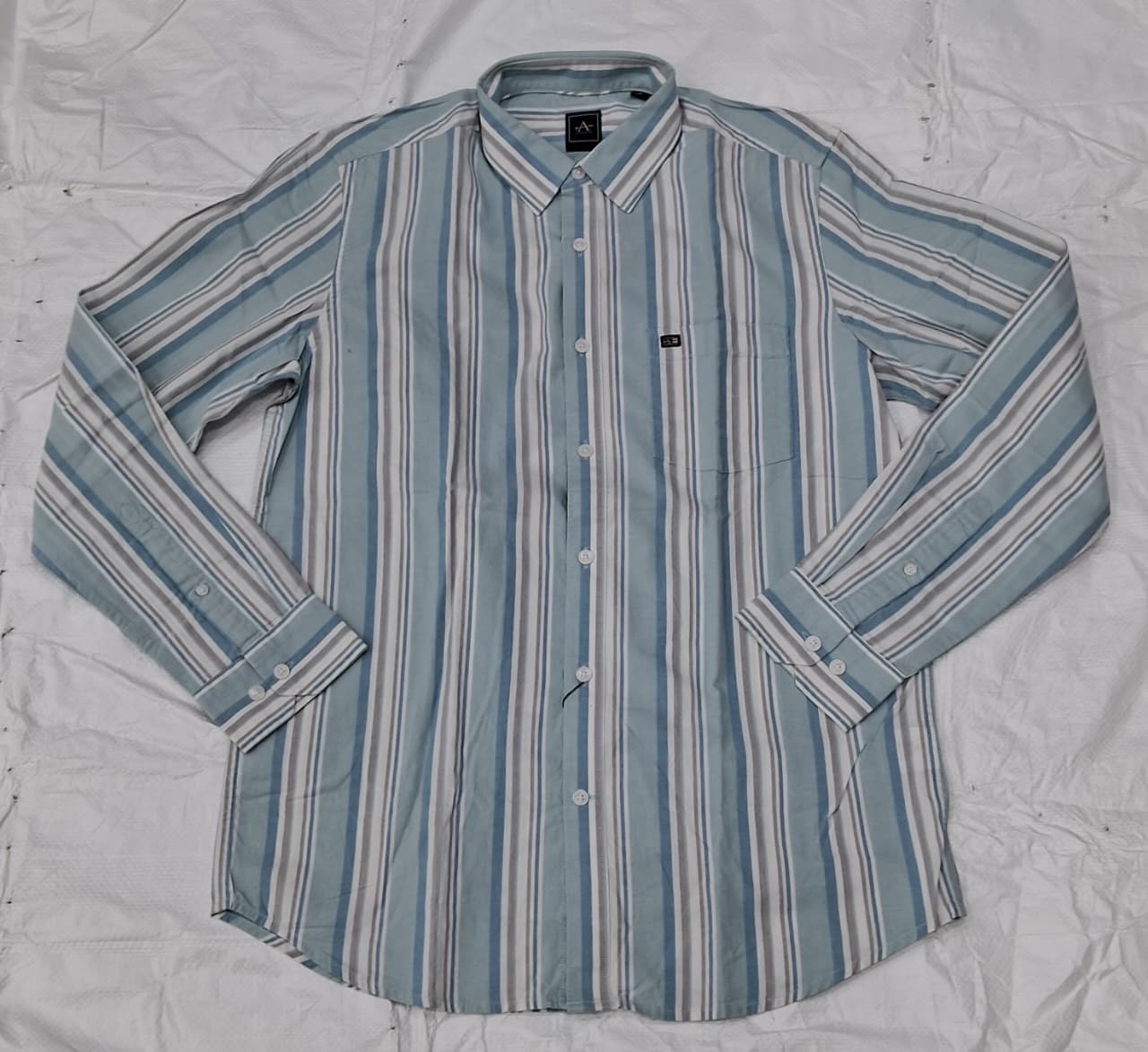
Aqua and white striped shirt laid flat
T3Aqua stripe

Fabric Care

Caring for formal shirts

General principles that help shirts last longer and look better. Always follow the care label on the garment, which takes precedence over any general advice.

Washing

Unbutton fully, including cuffs and collar points, before washing. Wash similar colours together and avoid overloading the machine to reduce creasing.

Drying

Shake out and hang on a shaped hanger to dry. Hot tumble-drying can shrink cotton and wear fibres faster.

Ironing

Iron while slightly damp at the setting on the label. Start with collar and cuffs, then yoke, sleeves and body.

Storing

Hang shirts with space between them, top button fastened, so collars keep their shape. Let shirts rest between wears.

Collars and cuffs show wear first. Treating marks promptly, rotating shirts and removing collar stays before washing all help.