Construction & Proportion
Shirt Fits & Silhouettes
How a formal shirt is cut matters more than almost anything else about it. This chapter explains the four main silhouettes, the seven points where fit is decided, and how to judge a shirt in the mirror.
Four Silhouettes
Slim, regular, tailored & contemporary
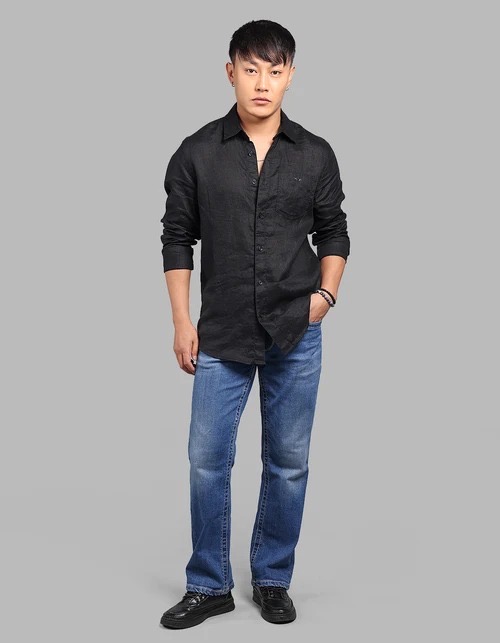
Fit names are not standardised; one maker's “tailored” may be another's “slim”. Use these descriptions as a guide to the shape, then judge the actual shirt on your body. The gold line marks the chest, the wine line the waist.
Slim Fit
Closest to the bodyA closer silhouette designed to follow the body. The chest is trimmer, the waist noticeably shaped (often with back darts) and the sleeves narrower. Slim shirts look sharp under a fitted jacket and suit lean or athletic builds.
- Chest
- Minimal ease
- Waist
- Strongly tapered
- Best for
- Slender frames, fitted suits
Regular Fit
Traditional easeA more traditional silhouette offering additional room through the chest, waist and arms, falling fairly straight from armpit to hem. Comfortable for long days and broader builds, and forgiving when sitting for hours.
- Chest
- Generous
- Waist
- Straight
- Best for
- Comfort, broader frames
Tailored Fit
BalancedA balanced silhouette combining structure and comfort. There is gentle shaping at the waist to remove excess fabric, while the chest and arms keep enough room to move. For many people, this is the most versatile choice.
- Chest
- Moderate
- Waist
- Gently shaped
- Best for
- Most builds and offices
Contemporary Fit
Modern proportionA modern interpretation of formal shirt proportions. It is typically clean through the body with a slightly shorter, straighter hem, so it can be tucked for work or left out for smart-casual settings.
- Chest
- Moderate
- Waist
- Lightly shaped
- Best for
- Versatile, smart-casual
Not every cut is available in every style or at every time. If you are visiting Options Mall for a particular fit, call ahead to ask what is currently in store.
Anatomy of Fit
The seven fit points
Check these in order. The first two are the hardest to alter, so they should be right from the start.
Shoulder seam placement
The seam joining sleeve to body should sit at the outer edge of your shoulder bone. Too far in pulls; too far down the arm makes the shirt look borrowed.
Collar fit
Buttoned, you should be able to slip one finger — two at most — between collar and neck. The collar should not gape or crease the skin.
Chest allowance
Buttons should lie flat with no horizontal pulling or gaps between them, including when you sit and reach forward.
Waist shaping
A little excess fabric is normal. A balloon of cloth above the belt means the waist is too full; tight drag lines mean it is too slim.
Sleeve length
With arms relaxed, the cuff should reach the base of the thumb or the wrist bone, and not ride up far when you bend the elbow.
Cuff positioning
Under a jacket, show roughly a centimetre of cuff. The cuff should be snug enough not to slide over the hand.
Shirt length
A tucked shirt needs enough length to stay in when you raise your arms — usually covering the seat. An untucked shirt should end around mid-fly.
Reading a Silhouette
Shape, seen flat
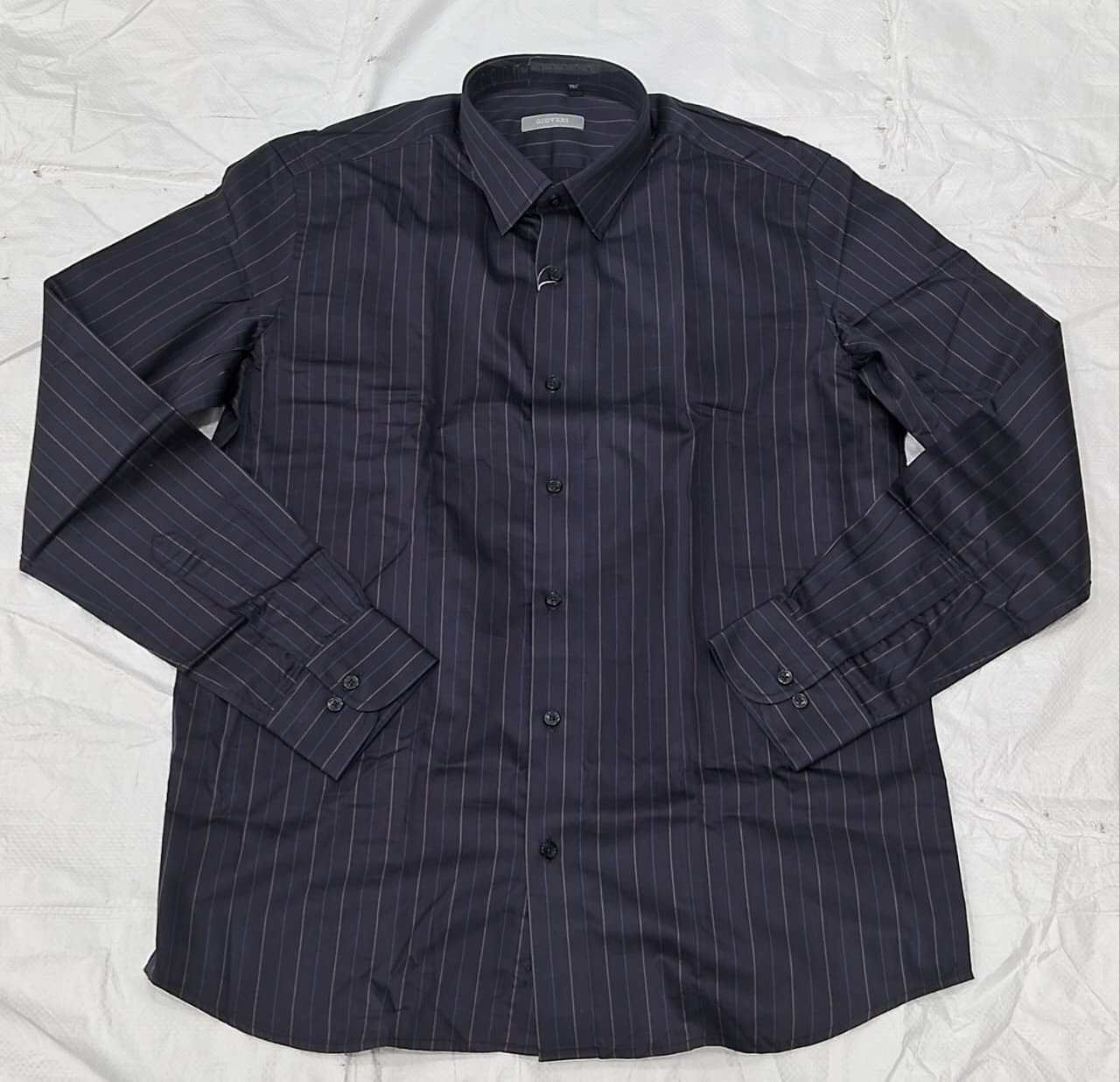
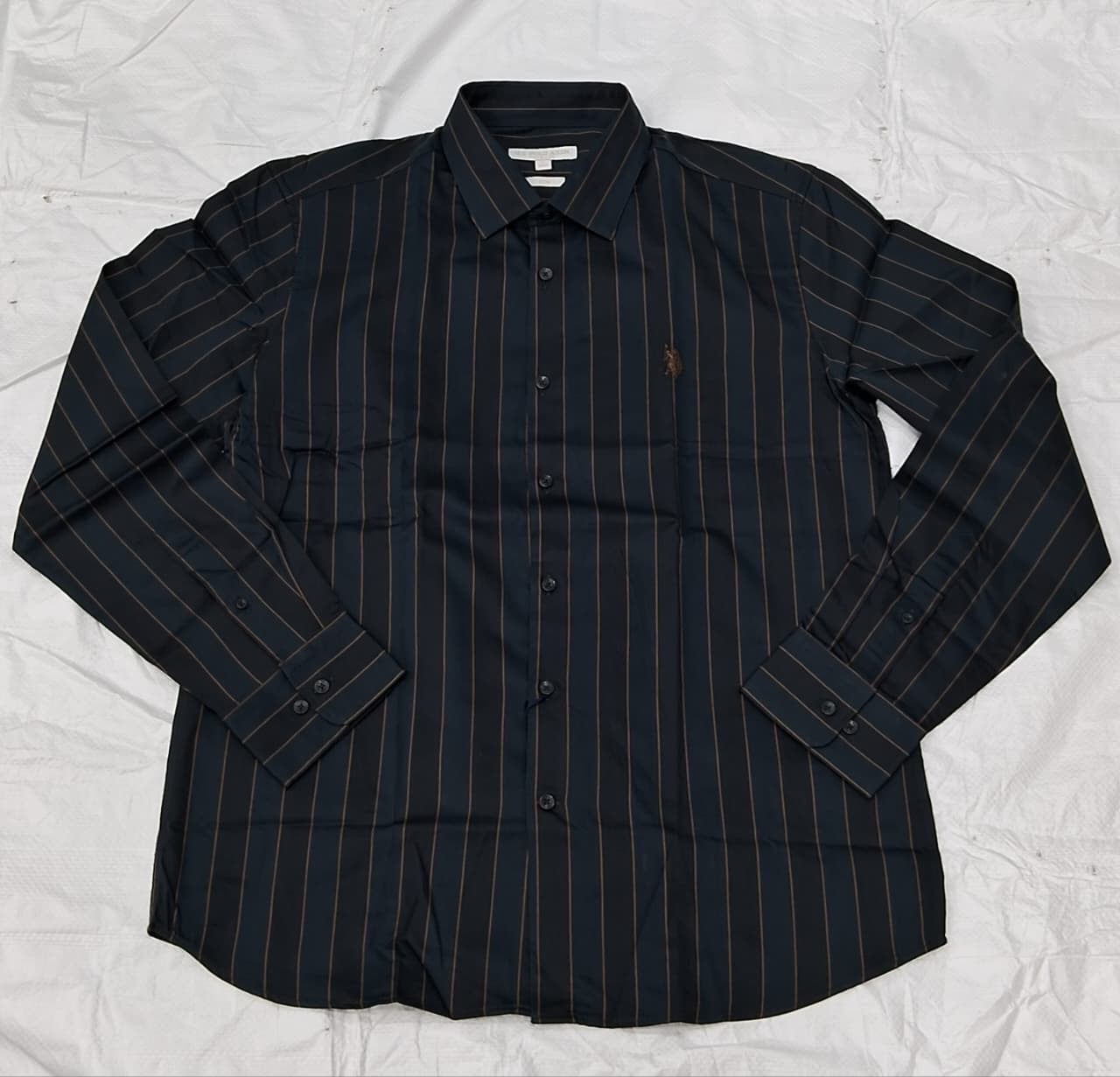
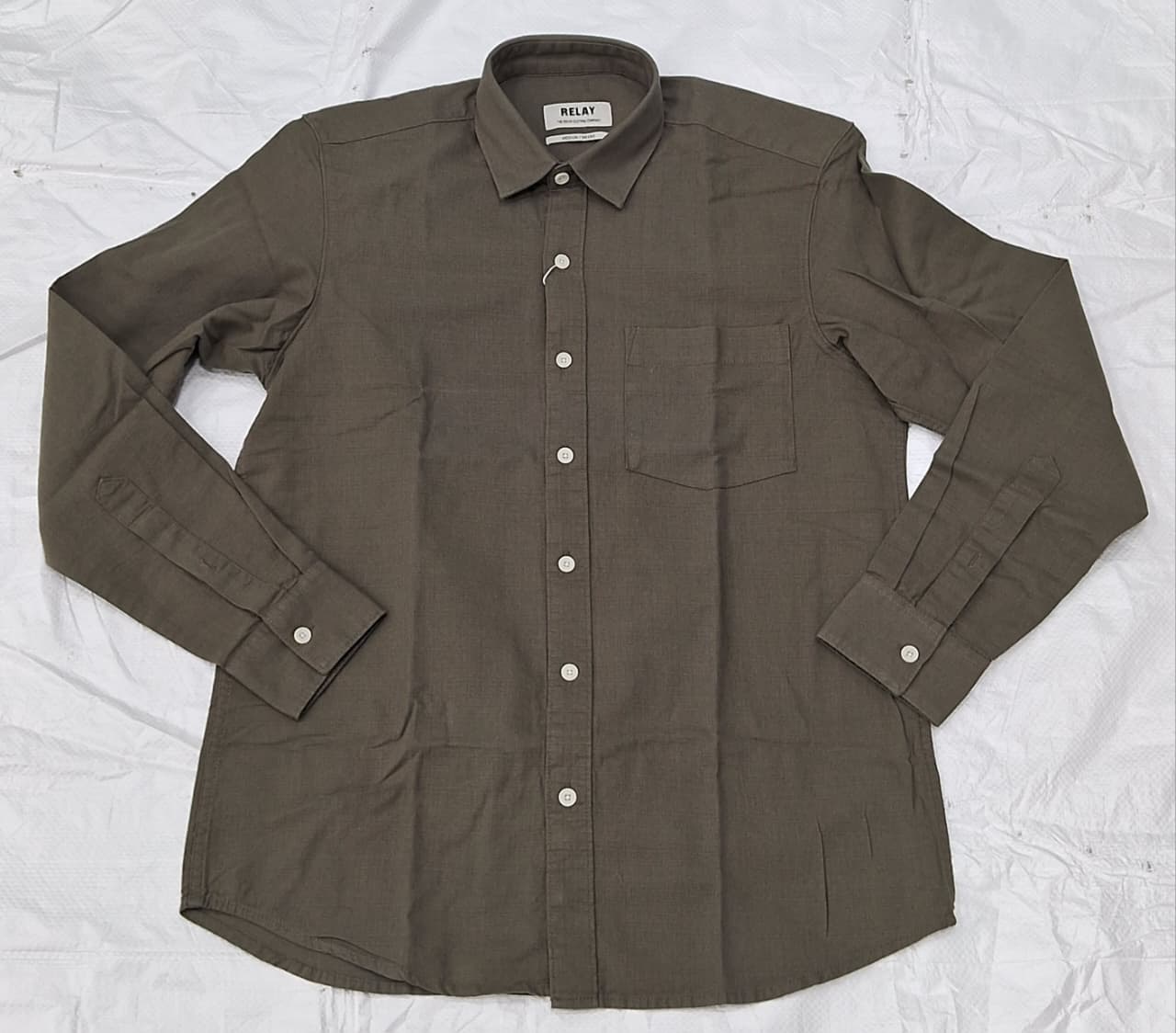
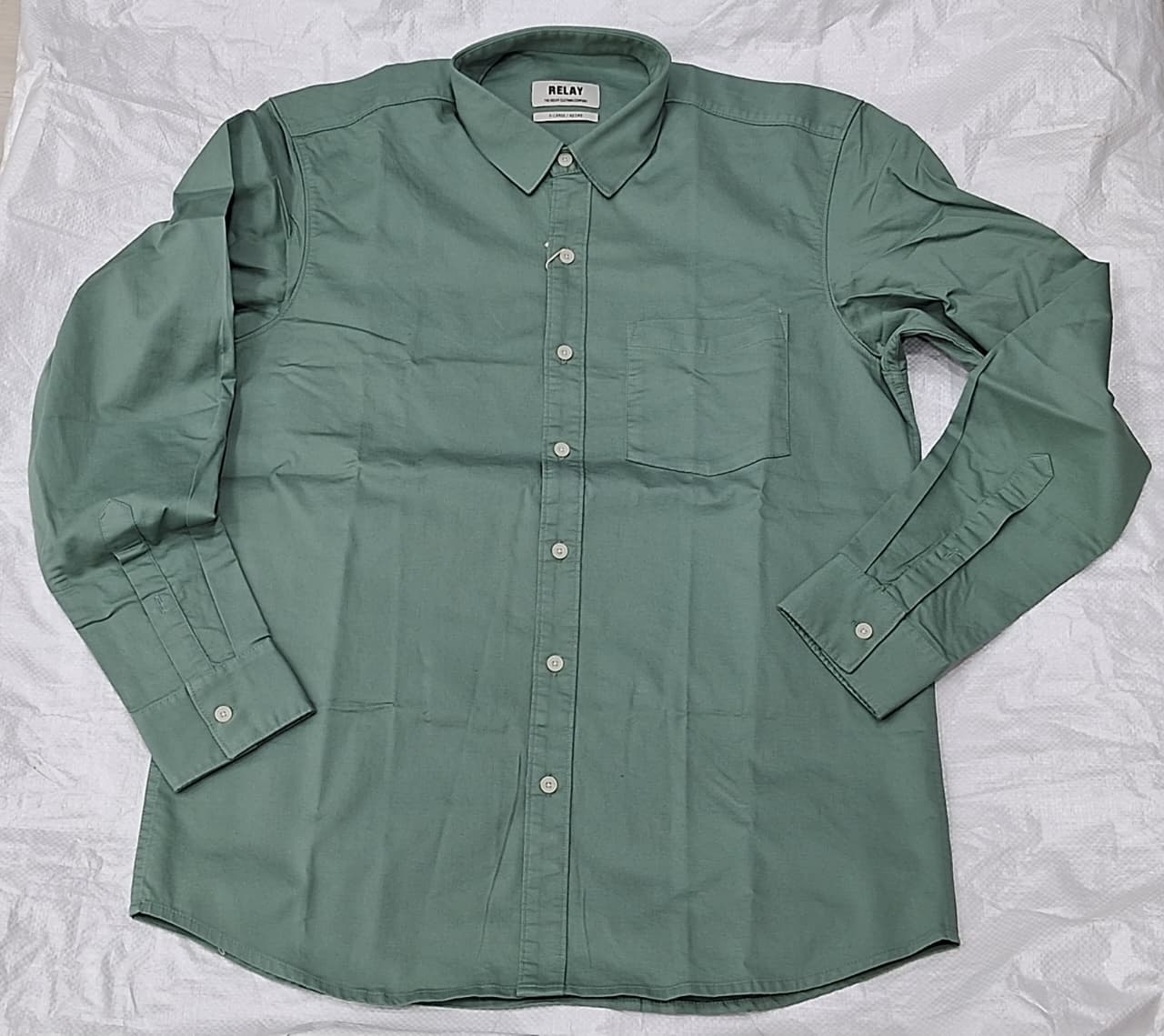
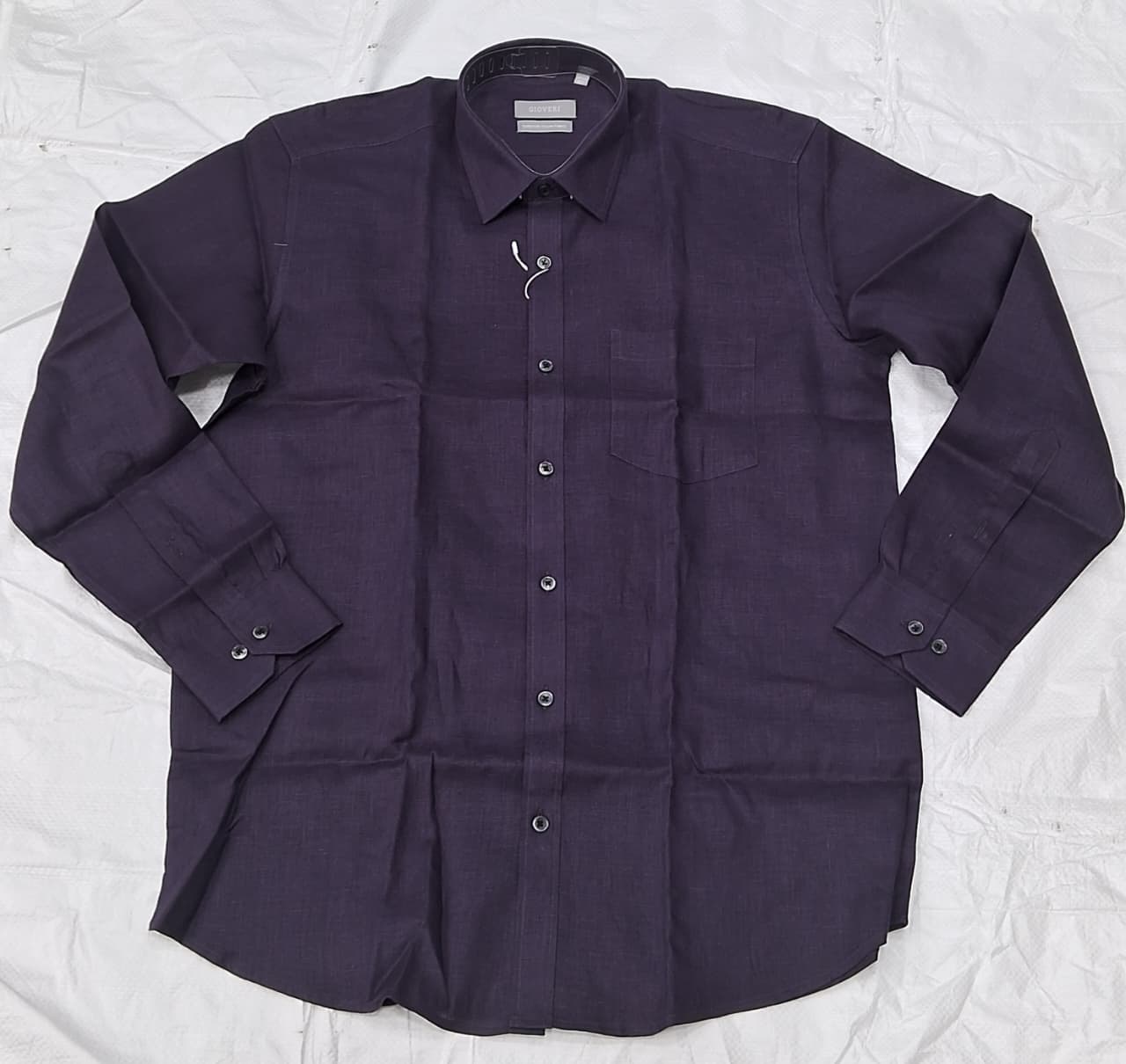
Laid flat, a shirt reveals its cut. Compare the taper from chest to hem, the sleeve width and the shoulder line. Solid colours make the shape easiest to see.
Finding your fit
Start with your neck and sleeve measurement or the size that fits your shoulders, then choose the silhouette. If you are between fits, choose the roomier one: excess fabric at the waist can be taken in by a tailor, but a tight chest cannot be let out.
Remember that fabric affects fit. Stretch blends allow a closer cut without restriction, while crisp poplins feel firmer. Most cotton shirts can shrink slightly in their first washes, so a shirt that is tight in the collar on day one may become uncomfortable.
Finally, sit down in the shirt. Many shirts look fine standing and pull at the buttons when seated. A good fit is one you forget about by mid-morning.
For a step-by-step checklist, see the Men's Formal Shirt Style Guide.
Proportions
Tucked & untucked
Formal shirts are designed to be tucked. Their curved tails and longer backs keep them in place. Shirts meant to be worn out are cut shorter and straighter.
Tucked
For suits, ties and all formal business settings. The waist should blouse only slightly over the belt. A shirt that keeps coming untucked is too short or too full at the waist.
Untucked
Reserved for smart-casual settings. Choose a shirt with a straighter, shorter hem that ends around the middle of the trouser fly. A long formal shirt worn out looks untidy.
Fit first, then everything else.
Once the silhouette is right, fabric and detail can do their work.