
Historical origins
For most of its history the shirt was an undergarment. In medieval and early modern Europe, a long linen shirt was worn next to the skin beneath doublets, tunics and coats. It absorbed sweat and protected expensive outer clothing, which was rarely washed; the shirt, by contrast, could be laundered. Clean linen was therefore closely tied to ideas of hygiene and respectability.
Because the shirt was considered underwear, being seen in only a shirt was, for centuries, a state of undress. Only its edges were meant to show — at the neck and at the wrists. Those edges became a focus of display. In the sixteenth century the gathered frill at the neckline grew into the elaborate starched ruff, and lace or embroidered cuffs signalled status.
Through the seventeenth and eighteenth centuries, ruffs gave way to falling collars and then to neckcloths and cravats, but the principle held: a gentleman's shirt was judged by the whiteness and fineness of the little that could be seen.
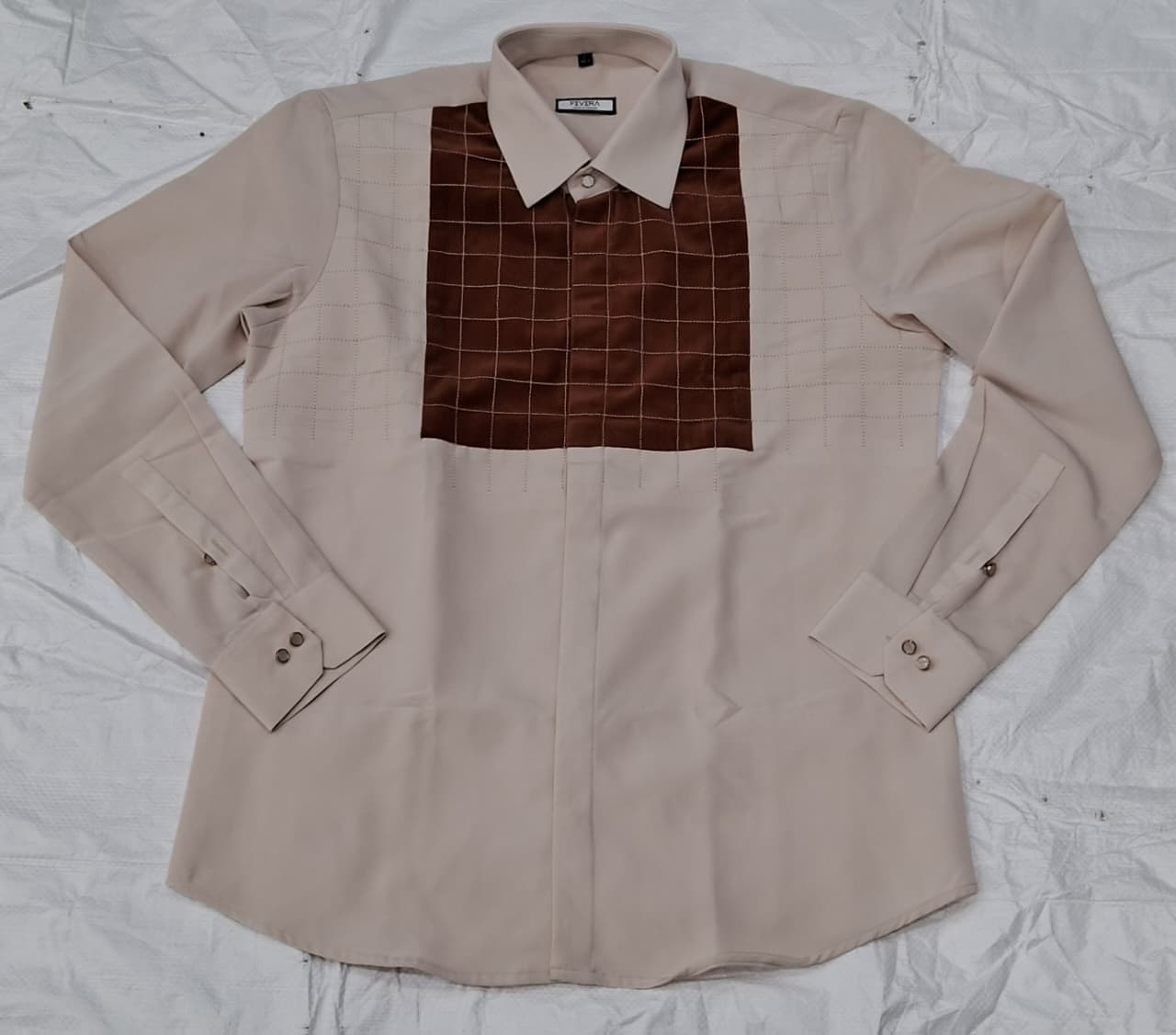
Collars, cuffs & the business shirt
At the start of the nineteenth century the Regency dandy George “Beau” Brummell helped turn simplicity into a new ideal of elegance in Britain: dark, well-cut coats, immaculately clean white linen and carefully tied neckcloths. Refinement now lay in cut and cleanliness rather than in ornament — an idea that still underpins men's formal dress.
Keeping linen spotless was laborious, and the collar and cuffs soiled first. In the 1820s, the detachable collar emerged in Troy, New York; its invention is traditionally credited to Hannah Lord Montague, who is said to have cut the collars from her husband's shirts so they could be washed separately. Troy went on to become a centre of collar manufacturing, nicknamed “Collar City”. For the next century, a man might wear the same shirt body for several days while changing to a fresh starched collar and cuffs each morning.
The shirt itself still went on over the head. In 1871 the British shirtmaker Brown, Davis & Co. is often cited as registering a shirt that buttoned all the way down the front like a coat — the ancestor of today's formal shirt. By the end of the century the button-through shirt was becoming normal, and specialist shirtmakers in cities such as London and Paris had established shirtmaking as a refined craft in its own right.
The nineteenth century also gave the shirt its social meaning. As offices multiplied, the clean white collar became the visual badge of clerks, bankers and managers — the origin of the term “white-collar”, which became widespread in the early twentieth century.
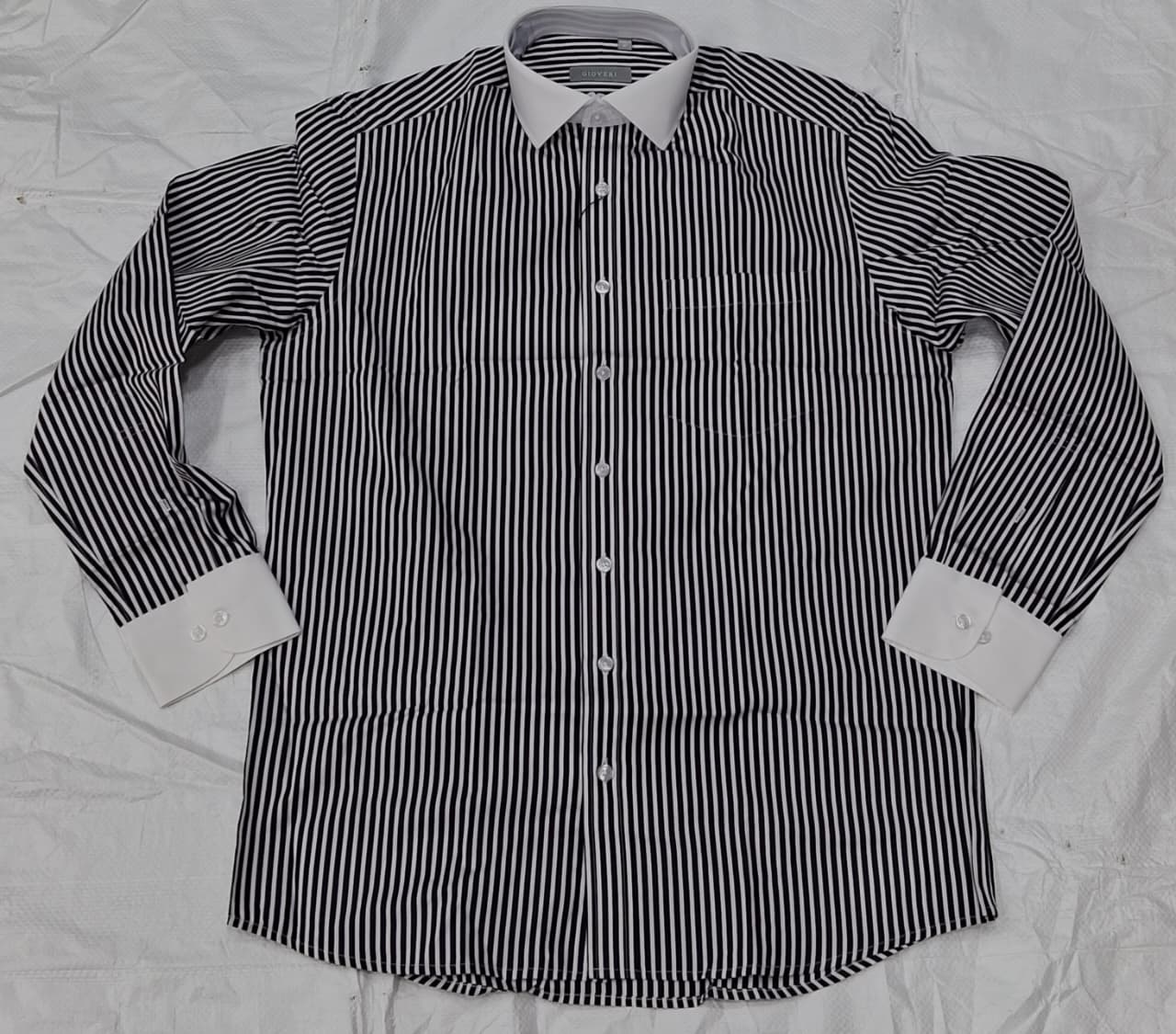
The rise of modern menswear
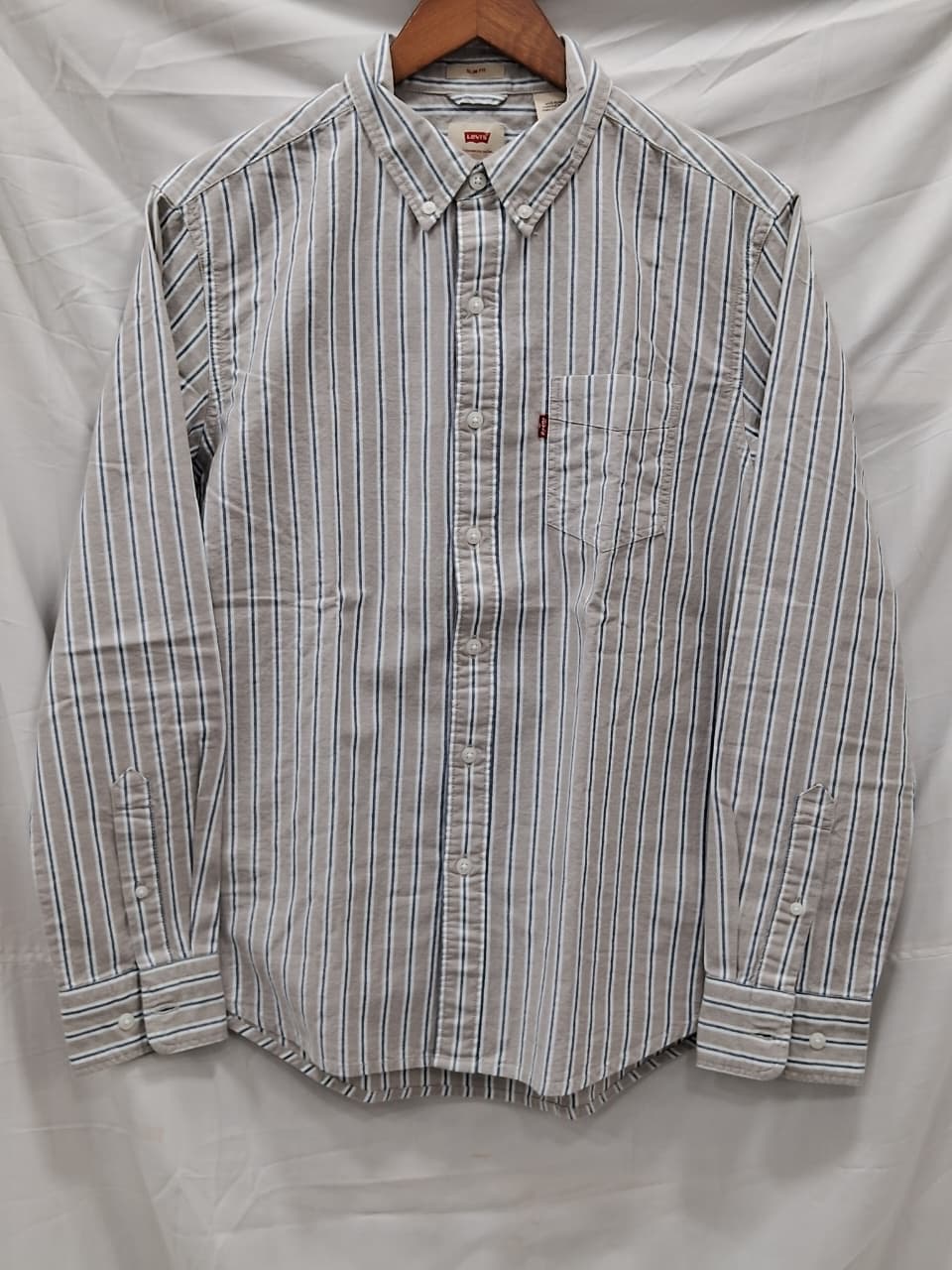
Around the turn of the twentieth century, sport and leisure began to soften the formal shirt. Brooks Brothers introduced the button-down collar to American shirts in 1896, inspired by the collars of English polo players, which were fastened down to stop them flapping. Soft, attached collars spread steadily, and by the 1920s and 1930s they had displaced the stiff detachable collar for most everyday wear.
Advertising made the shirt part of popular culture. In the United States, the Arrow brand's illustrated “Arrow Collar Man”, drawn by J. C. Leyendecker from the early 1900s, became one of the best-known images of masculine elegance of its day.
Fabrics and colours diversified too. Coloured and striped shirts, long associated with sport, the country or the working man, gradually entered business wear. Blue became the great alternative to white, and fine stripes found their way under the suits of bankers and lawyers. The mid-century wardrobe settled into the familiar pattern of white and blue shirts, a few stripes and the occasional colour.
The contemporary office wardrobe
From the 1960s onward, menswear absorbed waves of change: wider collars and bolder colours in the 1970s, power dressing in the 1980s, and in the 1990s the spread of business casual and “dress-down Fridays” in many offices. Air-conditioned workplaces, warmer climates and changing attitudes meant the jacket came off more often, leaving the shirt as the most visible garment of the working day.
Technology changed the shirt as well. Cotton blends, easy-care finishes and stretch fibres were developed to reduce ironing and improve comfort. At the same time, interest in craft returned: many wearers again value natural fibres, well-made collars and thoughtful construction.
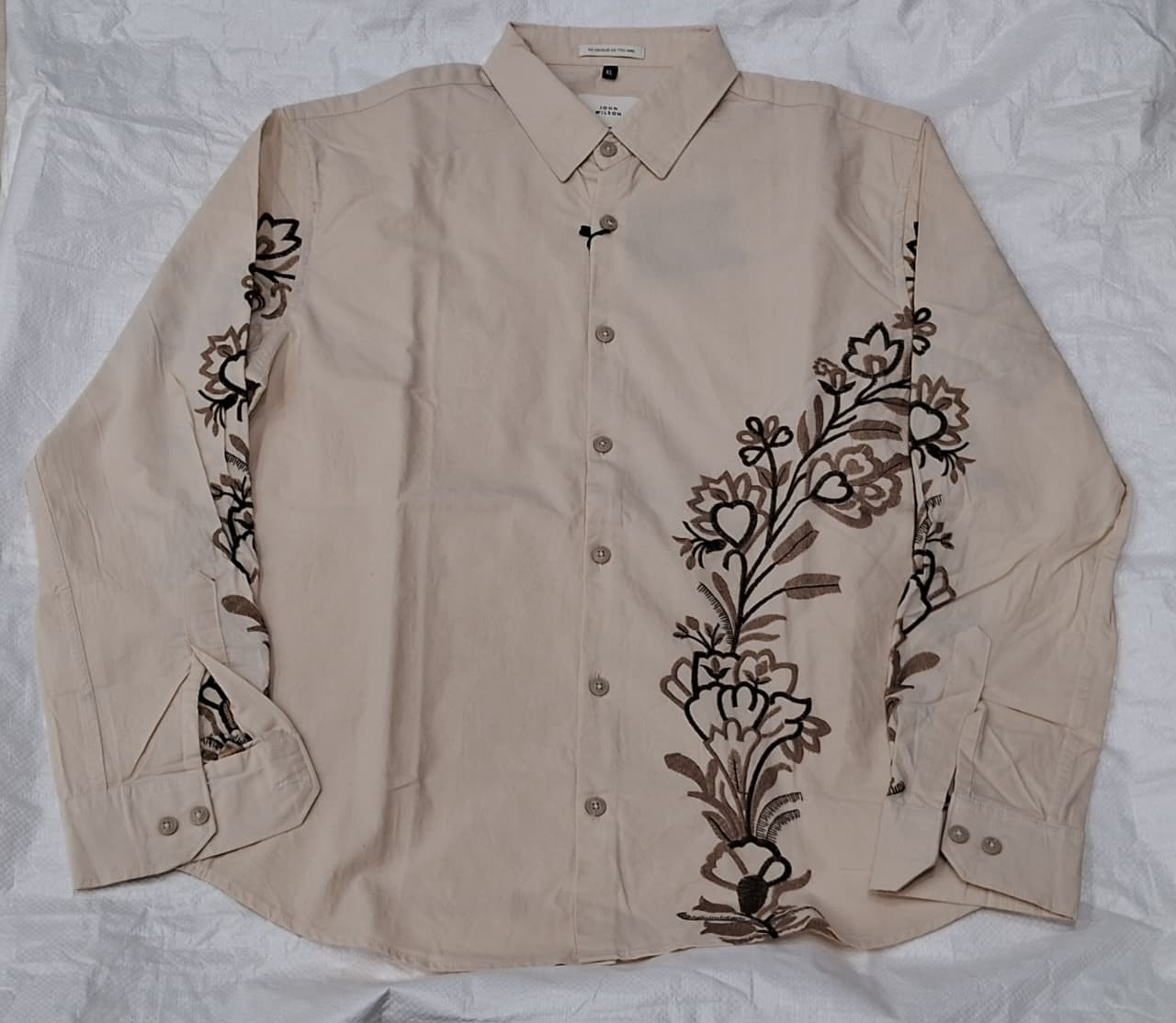
Today's professional wardrobe balances three things. Tradition supplies the proportions and colours that reliably look right. Comfort demands breathable fabrics and sensible fits for long days. Personal expression allows a contrast collar, a richer colour or a subtle print where the setting permits.
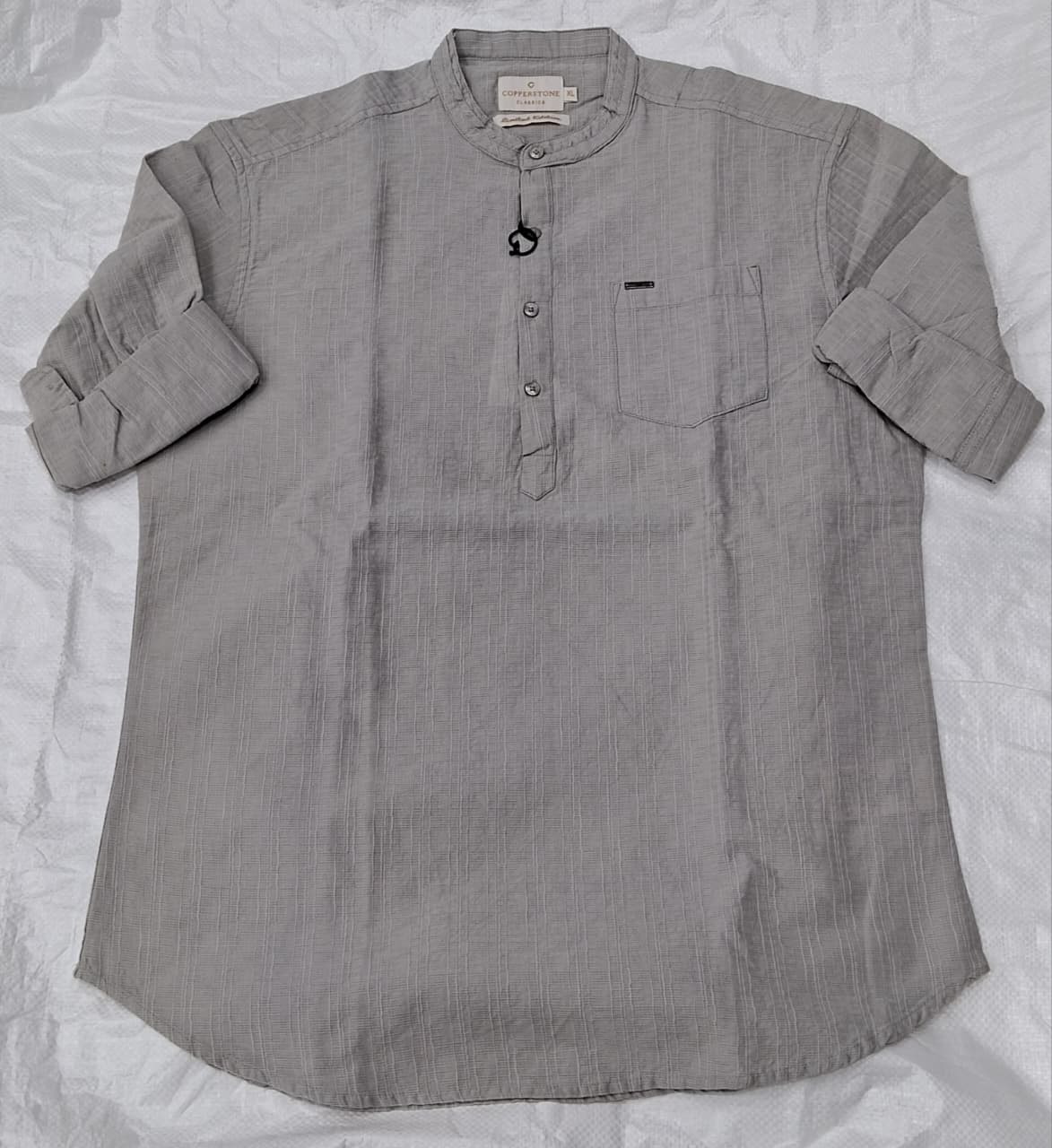
The influence of international menswear
Britain gave the formal shirt much of its vocabulary. London's shirtmaking tradition, centred on Jermyn Street, is associated with crisp collars, double cuffs and confident stripes, and with a fondness for structure.
Italy, and Naples in particular, is celebrated for a softer, more relaxed approach: lighter collars that roll naturally, handwork at the shoulders and cuffs, and an emphasis on comfort and drape that suits a warm climate.
France contributed refinement and colour; Paris shirtmaking houses of the nineteenth century helped establish the shirt shop as a specialist destination. The double cuff is still widely known as the “French cuff”.
The United States democratised the shirt through mass manufacturing, ready-to-wear sizing by neck and sleeve, and the relaxed button-down oxford that became a staple of business casual.
India adapted the Western shirt-and-trousers office uniform over the twentieth century to its own climate and customs. Light cottons and linens, lighter colours and a readiness to wear the shirt without a jacket make particular sense in cities such as Mumbai, where the shirt is very often the outer layer of the working day.
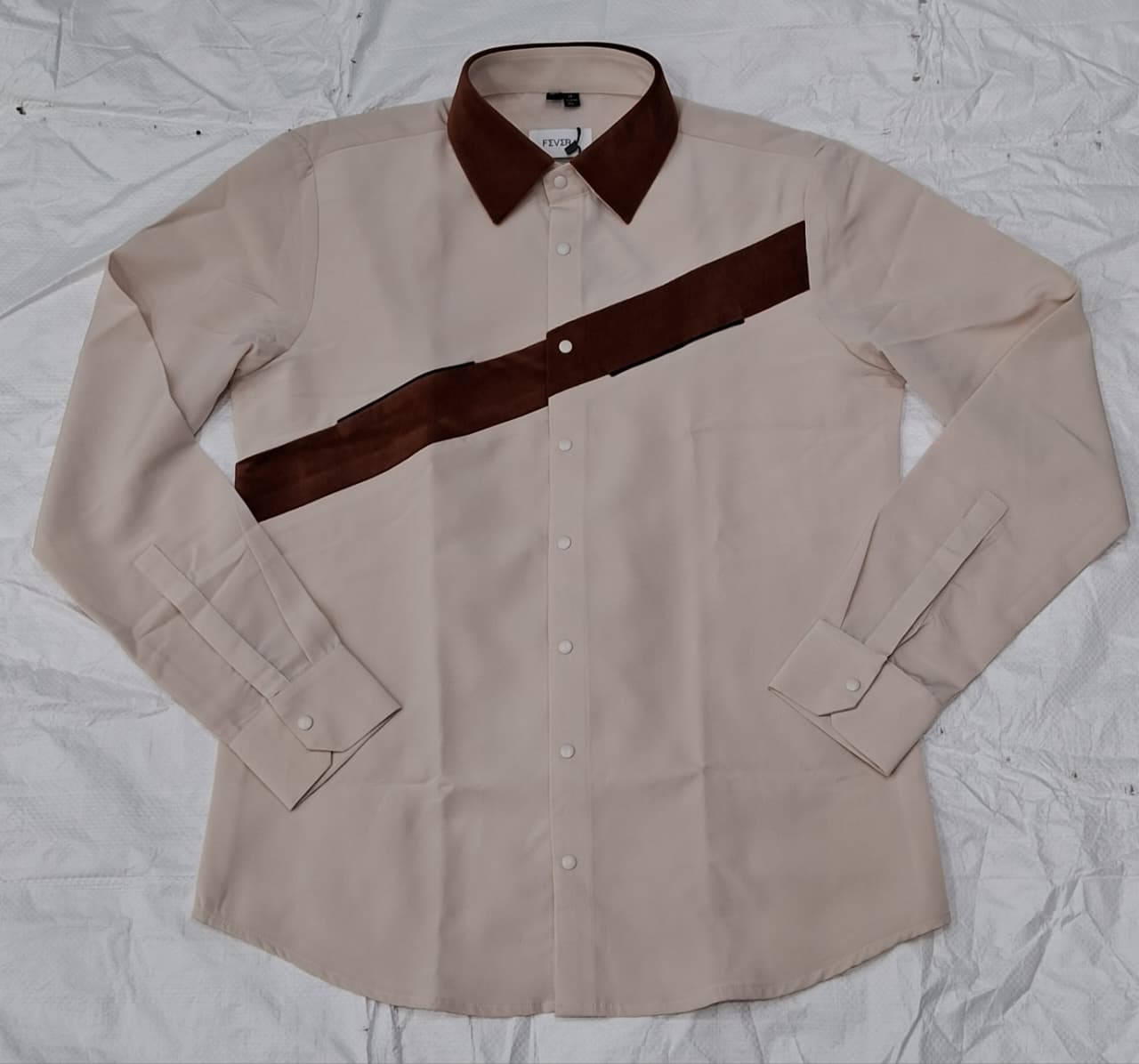
Lessons for dressing well
The long story of the shirt offers a few durable lessons. Cleanliness and care have always mattered more than ornament. The collar and cuffs remain the parts of a shirt that are seen and judged first. And the most enduring styles — the white shirt, the blue shirt, the fine stripe — earned their place over generations because they work.
Within that tradition there is plenty of room for personality. Every change in the shirt's history, from the button-down to the soft Neapolitan collar, began as someone's practical or personal choice.
Note: Dates and attributions above reflect commonly cited fashion history. Some early attributions, such as the origin of the detachable collar, are traditional accounts rather than precisely documented events.